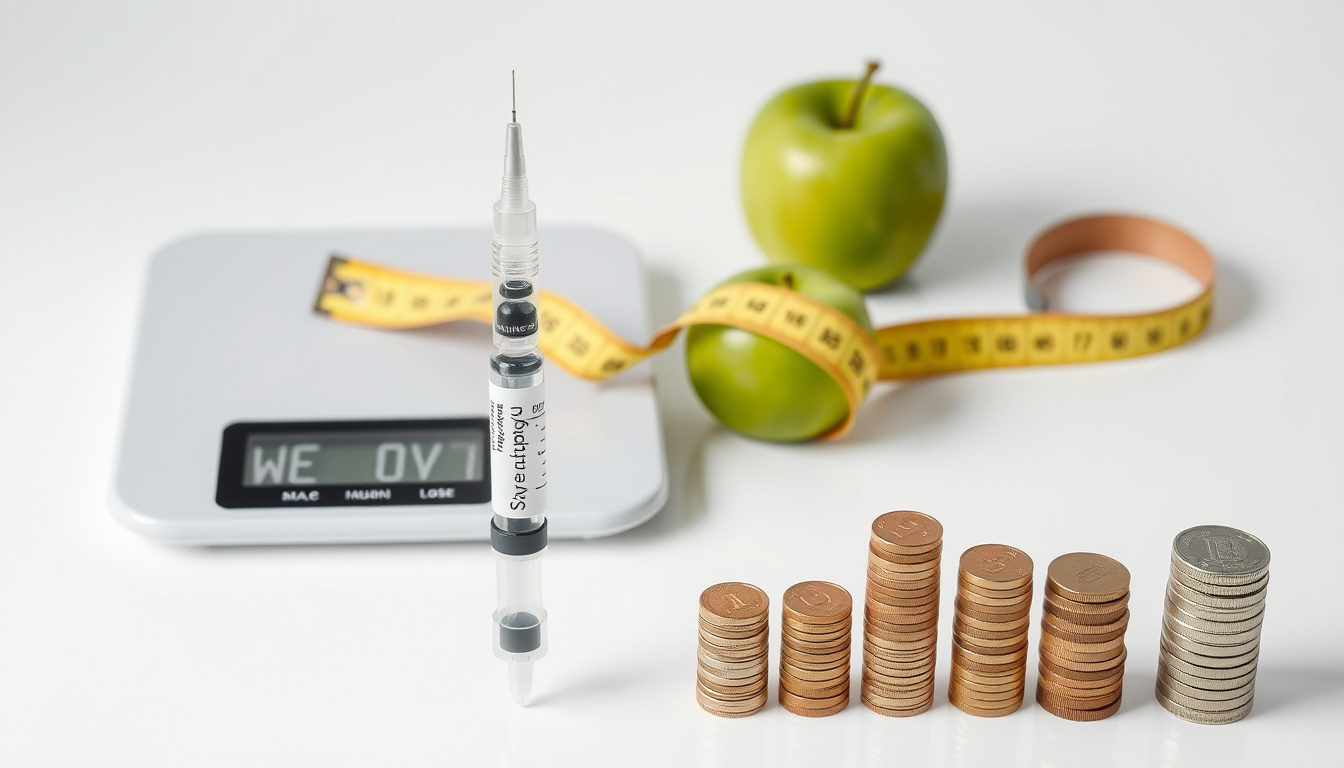

Two semaglutide injections dominate the weight-loss conversation — Wegovy (FDA-approved for obesity) and Ozempic (authorized for type 2 diabetes) — and that regulatory difference drives everything from maximum dose to what you pay in Ireland each month.
Active Ingredient: Semaglutide · Wegovy FDA Approval: Weight management · Ozempic FDA Approval: Type 2 diabetes · Key Difference: Semaglutide dose amount · Administration: Weekly injection (both)
Quick snapshot
- Both contain semaglutide but hold different EU approvals (MobiDoctor)
- Wegovy maxes out at 2.4 mg/week; Ozempic tops at 2.0 mg/week (MobiDoctor)
- Clinical trials show 15–17% average body-weight loss with Wegovy vs. 6–7% with Ozempic (MobiDoctor)
- Exact weight-loss speed variability between individuals on either drug remains patient-specific
- Long-term effects after stopping either medication are still being studied
- Novo Nordisk filed for HSE coverage in early 2022 — no decision announced as of 2025 (Irish Times)
- Wegovy entered the Irish market in March 2025 at €240–€355/month depending on dose (Healthwave Pharmacy Ireland)
- Irish patients face €2,640/year out-of-pocket until (and unless) the HSE approves reimbursement (Irish Examiner)
- Generic semaglutide could eventually drop to roughly $3/month as patents expire, reshaping access globally (Irish Examiner)
Table 1 maps the core pharmaceutical specifications against each other for quick reference.
| Field | Detail |
|---|---|
| Active Ingredient | Semaglutide |
| Manufacturer | Novo Nordisk |
| Form | Subcutaneous injection |
| Frequency | Once weekly |
What is better for weight loss, Ozempic or Wegovy?
The short answer is Wegovy — at least based on the clinical trial data. Both drugs share the same active ingredient (semaglutide), but they are approved for different uses and sold at different strengths. That distinction matters when you are looking at how much weight people actually lose.
Wegovy is cleared as a weight-loss medication in adults and in adolescents aged 12 and older who have obesity (body mass index of 30 or above) or who weigh more than 60 kg. Ozempic is cleared to treat type 2 diabetes, with blood-sugar control as its primary goal. Because of those separate approvals, doctors prescribe each at different doses, and that drives the weight-loss difference.
Clinical trials show that Wegovy users shed an average of 15–17% of their starting body weight over 68 weeks at the 2.4 mg maintenance dose. Ozempic trials, run at lower doses capped at 2 mg, show average weight loss of 6–7% of body weight. That gap reflects the dose difference, not a fundamental difference in how semaglutide works in the body.
Wegovy is approved for teens 12 years and older who have obesity and weigh more than 60 kg, which makes it the only semaglutide-based option with a specific teen indication in most markets.
The implication: if your doctor is prescribing Ozempic primarily for weight loss, they are using the drug off-label at doses below what a dedicated weight-loss programme would typically reach. Wegovy was purpose-built for that goal.
Weight loss efficacy data
Wegovy delivers stronger weight-loss results because it allows a higher weekly dose of semaglutide. The 2.4 mg weekly maintenance dose used in the STEP trials produced an average 15% body-weight reduction after 68 weeks, a figure that puts it among the most effective pharmacological weight-loss tools available by prescription. Ozempic’s approved ceiling of 2 mg reflects its diabetes-indication dosing, which was optimised for glucose control rather than weight reduction. At equivalent therapeutic doses, the underlying semaglutide molecule acts the same way — the results differ because Wegovy simply allows more of it to be delivered per injection.
Clinical trial results
The STEP (Semaglutide Treatment Effect in People with Obesity) programme, which underpins Wegovy’s FDA approval, consistently showed weight loss in the 15–17% range across multiple trials. The SUSTAIN trials, by contrast, evaluated Ozempic at doses up to 1 mg for most participants and showed the 6–7% figure as a secondary finding. Both sets of trials confirmed that semaglutide reduces appetite, slows gastric emptying, and influences satiety signals in the brain — the mechanism is identical; the outcome gap is purely dose-driven.
Do you lose weight faster on Ozempic or Wegovy?
Speed of weight loss depends partly on dose and partly on individual response. Both drugs follow a gradual titration schedule — patients start low and increase every four weeks — but Wegovy’s ceiling dose is higher, so people who reach the 2.4 mg level on Wegovy tend to see greater total loss than those topping out at 2 mg on Ozempic.
For Wegovy, the standard schedule begins at 0.25 mg weekly and steps up every four weeks through 0.5 mg, 1 mg, 1.7 mg, and finally 2.4 mg at week 16 or later. Ozempic follows a similar schedule — 0.25 mg, 0.5 mg, 1 mg, and then a maximum of 2 mg — but the dose increases are guided by blood-sugar response rather than a fixed timeline. Some patients on Ozempic never move beyond 1 mg if their glucose control is already adequate.
In practice, people who are titrated to the full maintenance dose on either drug typically notice appetite suppression within the first few weeks, with visible weight changes becoming apparent after 8–12 weeks of consistent use. The distinction in speed is therefore less about how fast the drug kicks in and more about how high a dose the prescribing protocol allows.
The pattern: Wegovy’s structured escalation to 2.4 mg weekly tends to produce more total weight loss over the same timeframe, because patients end up at a higher maintenance dose by design.
Dosing impact on speed
The 0.4 mg gap between Ozempic’s maximum (2 mg) and Wegovy’s maximum (2.4 mg) is not trivial in clinical terms. Each 0.2 mg increment of semaglutide produces a meaningful step-change in both appetite suppression and the hormonal signals that govern satiety. Patients on Wegovy’s 2.4 mg dose experience more pronounced reduction in hunger cues and more sustained feelings of fullness between meals. That translates directly into a lower daily calorie intake, which over weeks and months compounds into a larger total weight-loss difference compared to Ozempic at its 2 mg ceiling.
Real-world results
Outside clinical trials, real-world weight loss on both drugs varies significantly based on diet adherence, physical activity, starting weight, and how well a patient tolerates the higher doses. Some people on Ozempic report losses of 10% or more of body weight — particularly those who reach the 2 mg dose and combine the medication with dietary changes. However, the average real-world outcome for Ozempic still tracks below what the Wegovy trial data predicts, which reflects the dose constraint in practice as well as in theory.
Wegovy vs. Ozempic: Important Differences To Consider
Beyond the weight-loss percentages and dose numbers, there are regulatory, financial, and practical differences that affect Irish patients most directly.
Neither Wegovy nor Ozempic is sanctioned for reimbursement as an obesity treatment in Ireland, even though both have been approved by the European Medicines Agency (EMA). Novo Nordisk applied to the Health Service Executive (HSE) to have Wegovy covered by the State medicine schemes as far back as early 2022, but no decision has been announced as of 2025. Without HSE reimbursement, both drugs must be paid for entirely out of pocket by Irish patients seeking weight-loss treatment.
In Ireland, Wegovy costs between €240 and €355 per month depending on the dose — the lower doses (0.25 mg, 0.5 mg, and 1 mg) run €240 monthly, the 1.7 mg dose costs €320, and the 2.4 mg maintenance dose costs €355. That works out to up to €2,640 per year, a significant ongoing cost that is not offset by any government scheme.
Ozempic, by contrast, is covered under the Drug Payments Scheme and is available to medical card holders when prescribed for its approved purpose — type 2 diabetes. Diabetes patients in Ireland can access it at the standard scheme price (capped at €80/month under the Drugs Payment Scheme), making it far more affordable for that group.
The trade-off: Irish diabetes patients who want to lose weight can technically use Ozempic at a much lower cost, but they are capped at 2 mg weekly — below what Wegovy’s dedicated weight-loss protocol delivers. Those without diabetes who want the stronger dose for weight loss must pay full price for Wegovy.
Dosing and administration
Both drugs are weekly subcutaneous injections, but they use different delivery devices. Wegovy comes in single-use pens that patients inject once per week, with each pen pre-filled at the dose for that week. Ozempic comes in multi-dose pens that patients use with a new needle each week, and they draw the prescribed amount from the pen. Both methods are designed for self-administration after basic training.
Neither drug requires refrigeration beyond normal storage (Ozempic pens can be stored at room temperature for up to 56 days once in use), which makes travel and day-to-day handling relatively straightforward.
Approval indications
Wegovy’s approved uses centre on weight management. Its label covers adults with obesity (BMI ≥30) or overweight (BMI ≥27) with at least one weight-related comorbidity, and adolescents aged 12 and older meeting the same weight thresholds. Ozempic’s approved uses centre on glycaemic control in type 2 diabetes, with cardiovascular risk reduction added to its label after the SUSTAIN-6 trial showed a lower rate of major adverse cardiovascular events in patients using the drug.
That distinction in approved uses is the single most important factor shaping what each drug is prescribed for — and what insurance or state schemes will cover in Ireland.
In Ireland, Wegovy’s higher dose comes at full retail price while Ozempic sits under the Drug Payments Scheme for diabetes patients. The two drugs are the same molecule, but the reimbursement gap means Irish patients effectively choose between clinical potency and cost.
What is the downside of Wegovy?
Wegovy’s main drawbacks are gastrointestinal side effects, cost, and the uncertainty around what happens when you stop taking it. The side-effect profile is nearly identical to Ozempic — because the active ingredient is the same — but Wegovy’s higher maximum dose means patients who reach 2.4 mg are more likely to experience symptoms at the top end of the range.
Nausea, vomiting, diarrhoea, constipation, and abdominal discomfort are the most commonly reported side effects during the titration period. These symptoms tend to peak when doses are increased and usually settle within a few days to a couple of weeks as the body adjusts. Some patients find the gastrointestinal effects intolerable at higher doses, which is one reason discontinuation rates for GLP-1 drugs are significant outside clinical trial settings.
Both Wegovy and Ozempic carry an FDA black box warning for thyroid C-cell tumours based on animal studies, and they are not recommended for people with a personal or family history of medullary thyroid carcinoma. Gallbladder disease (cholecystitis) is another documented risk, particularly during rapid weight loss.
What to watch: the long-term effects of stopping either drug remain an area of ongoing research. Clinical trial participants who discontinued Wegovy after reaching the maintenance dose generally regained weight, with appetite returning to pre-treatment levels within weeks.
Side effects overview
The most frequently reported adverse effects across both drugs are gastrointestinal in nature. In the STEP 1 trial for Wegovy, nausea affected roughly 44% of participants, diarrhoea 30%, vomiting 24%, and constipation 24% at the 2.4 mg dose. These figures are notably higher than those seen at Ozempic’s 2 mg dose in the SUSTAIN trials, which reflects the dose-response relationship inherent to semaglutide. Other commonly reported side effects include headache, fatigue, and mild injection-site reactions. Serious adverse events — pancreatitis, symptomatic hypoglycaemia when combined with insulin or sulfonylureas, and allergic reactions — occur at low rates but are clinically significant when they do occur.
Common risks
Patients with a history of pancreatitis should use caution with semaglutide, as the drug’s mechanism of action (delayed gastric emptying and altered gut hormone signalling) can complicate acute presentations. Combining GLP-1 drugs with insulin or insulin secretagogues increases hypoglycaemia risk, which requires dose adjustment and more frequent blood glucose monitoring. Women of childbearing potential should discontinue Wegovy or Ozempic at least two months before a planned pregnancy, according to current product labelling, given the drug’s half-life and the absence of adequate human reproductive data. For those interested in exploring healthier eating patterns, you can find a variety of Mediterranean diet recipes.
Wegovy’s side effects are dose-dependent, which means patients who can tolerate the titration process and reach the 2.4 mg maintenance dose tend to report a settling of symptoms over time. Those who cannot tolerate higher doses or who experience persistent nausea may need to stay at a lower maintenance level — which reduces both efficacy and the cost advantage of staying on a lower-cost dose tier.
How Long Does It Take to Lose Weight on Wegovy?
Most patients begin noticing reduced appetite within the first week or two after starting Wegovy, once they reach the 0.25 mg or 0.5 mg starting dose. Visible weight loss on the scale typically becomes apparent around 8–12 weeks, once the body has adjusted to a higher dose and caloric intake has meaningfully decreased.
Clinical trial data suggests that meaningful weight loss — defined as 5% or more of body weight — is generally achieved between 12 and 24 weeks for most patients who titrate successfully to the 2.4 mg maintenance dose. The 15% body-weight reduction reported in the STEP trials was measured at 68 weeks (roughly 16 months), which means significant total weight loss is a months-long process, not a weeks-long one.
Real-world reports from patients in Ireland and the UK broadly align with this timeline, though individual variation is substantial. Factors that influence how quickly weight comes off include starting BMI, dietary adherence, physical activity levels, and how well each individual tolerates dose increases.
The pattern: appetite suppression kicks in early; measurable weight loss shows up within 8–12 weeks; meaningful clinical weight loss (5%+ of body weight) typically requires 3–6 months; and the full trial-observed results are a long-game outcome over 12–16 months of sustained treatment.
Timeline expectations
The Wegovy dosing schedule gives a useful roadmap for setting expectations. Patients start at 0.25 mg weekly for four weeks, move to 0.5 mg for the next four weeks, then 1 mg, then 1.7 mg before reaching the 2.4 mg maintenance dose around week 16. During the early titration phase (weeks 1–12), weight loss is typically modest — often in the range of 2–4 kg — because the lower doses are intended to help the body tolerate the drug rather than deliver maximum efficacy.
The most significant weight-loss trajectory begins once patients reach the 2.4 mg dose and stay there consistently. At that point, most people experience sustained appetite suppression and a gradual, steady reduction in body weight. The rate of loss typically slows in the later months of treatment as the body reaches a new equilibrium, which is normal and expected.
Factors affecting speed
Four main factors determine how quickly an individual loses weight on Wegovy: dose tolerance (whether they can stay at or reach 2.4 mg), dietary adherence (the drug reduces appetite but does not neutralise calories), physical activity level (increases energy deficit), and individual metabolic response (genetics, baseline insulin sensitivity, and gut microbiome all play a role). Patients who discontinue titration early or who experience persistent gastrointestinal side effects at higher doses will lose less total weight than those who reach the full maintenance dose.
Medications that slow gastric emptying (such as certain opioids or anticholinergics) may interact with Wegovy’s mechanism, potentially altering its efficacy. Patients should discuss their full medication list with their prescribing doctor.
The Irish HSE has not yet approved Wegovy for reimbursement as an obesity treatment. At €240–€355 per month with no state support, Irish patients are paying the full cost of a treatment that takes months to deliver its primary benefit. Anyone considering Wegovy should factor in the total cost of at least six months of treatment before expecting meaningful visible results.
In Ireland, Wegovy will cost around €220 a month as it is not currently available under the Drug Payments Scheme or free to medical card holders. Wegovy costs between €240 and €355 per month depending on the dose, which adds up to roughly €2,640 annually — a significant out-of-pocket commitment.
The pricing disparity extends internationally. In the U.S., Ozempic carries an average list price of $936 per month, more than five times higher than Japan’s $169. Wegovy averages $1,349/month in the U.S. — more than four times Germany’s $328 list price. For Irish patients, Wegovy’s retail cost is notably higher than what UK patients pay through private clinics (around £95/month), though Ireland lacks the NHS infrastructure that makes that lower price possible.
New analysis suggests that weight-loss jabs such as Wegovy and Ozempic could eventually be manufactured for just $3 (approximately €2.56) per month. If generic semaglutide enters the market as patents expire, it could transform access in lower-income countries and put downward pressure on retail pricing globally. Until then, Irish patients face the current pricing reality.
Cost in Ireland
The Irish Times reported that Novo Nordisk applied to the HSE to have Wegovy covered under State medicine schemes as far back as early 2022. As of 2025, no reimbursement decision has been made. Without that approval, Wegovy sits entirely outside the Drug Payments Scheme (which caps monthly medicine costs at €80 for eligible patients) and is not available free to medical card holders. The result is that patients seeking Wegovy for weight management in Ireland pay between €240 and €355 per month out of pocket, depending on their prescribed dose.
Upsides
- 15–17% average body-weight reduction (vs. 6–7% for Ozempic) based on clinical trial data
- Approved for adolescents aged 12+ with obesity, widening the eligible patient base
- Weekly injection format with single-use pens — no complex dosing calculations
- Structured 4-weekly dose escalation reduces tolerance shocks
- May carry cardiovascular benefit alongside weight reduction, though this is more established for Ozempic
Downsides
- Not reimbursed under Irish State medicine schemes — up to €2,640/year at current doses
- Gastrointestinal side effects are common and dose-dependent
- No Irish HSE reimbursement decision as of 2025 despite 2022 application
- Long-term stopping effects and weight regain remain incompletely characterised
- FDA black box warning for thyroid C-cell tumour risk in animal studies
- Requires ongoing treatment for sustained results — stopping leads to weight regain
Wegovy is approved specifically for weight management, which means the dosing protocol is built around that goal. Ozempic is approved for type 2 diabetes — when it is used off-label for weight loss, doctors are working below the dose that a dedicated weight-loss regimen would typically use.
— Clinical guidance, MobiDoctor (EU access analysis, 2025)
The key practical difference between the two for Irish patients is the maximum dose and the reimbursement situation. Wegovy’s 2.4 mg dose is designed for weight loss, but it comes at full retail price in Ireland. Ozempic is covered under the Drugs Payment Scheme for diabetes patients, which makes it far more accessible — but at a lower maximum dose.
— Pharmacist guidance, Healthwave Pharmacy Ireland (Wegovy pricing, 2025)
For Irish patients weighing their options, the trade-off is concrete: Wegovy does more for weight loss, but at full cost. Ozempic is cheaper and covered for diabetes patients, but at a lower dose ceiling. The decision ultimately depends on whether weight loss is the primary clinical goal, whether the patient has a diabetes diagnosis, and whether the ongoing monthly cost is sustainable.
Related reading: MTHFR gene mutation symptoms and diet · Bent over row exercise form
onlinedoctor.asda.com, healthline.com, chemist-4-u.com, mydr.com.au
While Wegovy provides higher doses of semaglutide than Ozempic for obesity treatment, this semaglutide dosage results guide details expected weight loss outcomes and common side effects.
Frequently asked questions
Can I lose 30 pounds in 3 months on Wegovy?
It is unlikely for most people. A 30-pound (roughly 13.6 kg) loss in three months represents an exceptionally rapid rate of weight loss — faster than the clinical trial data supports for Wegovy. In the STEP trials, the 15% body-weight reduction was measured at 68 weeks. Realistically, patients who reach the 2.4 mg maintenance dose and maintain strict dietary adherence may see 5–10% of body weight in the first three months, which for a person starting at 100 kg would be 5–10 kg. A doctor should set personalised expectations based on starting weight, medical history, and tolerance to the drug.
Is Wegovy better than Mounjaro?
Wegovy and Mounjaro (tirzepatide) are both injectable GLP-1-based medications but work through different mechanisms. Mounjaro targets both GLP-1 and GIP receptors, while Wegovy targets only GLP-1. Head-to-head trial data comparing the two directly is limited, and as of 2025, no definitive trial has established superiority of one over the other for weight loss. Mounjaro is not yet widely available or reimbursed in Ireland for weight management, making direct cost comparison difficult. Patients should discuss the specific profile of each drug with their prescribing physician.
Why are people stopping Wegovy?
Common reasons for discontinuation include gastrointestinal side effects (particularly at higher doses), cost (especially in markets without reimbursement), insufficient weight-loss results at lower doses, and the challenge of maintaining results after stopping treatment. Clinical trials report dropout rates in the range of 10–20% due to adverse events, with gastrointestinal reasons accounting for the majority. Cost-related stopping is likely higher in markets like Ireland where there is no reimbursement pathway.
What Happens When You Stop Taking a GLP-1 Drug?
Clinical trial data indicates that most patients who discontinue Wegovy after reaching the maintenance dose begin to regain weight, typically within 4–12 weeks. Appetite returns to pre-treatment levels, caloric intake increases, and the weight that was lost during treatment is gradually regained. There is no evidence of a rebound effect that produces more weight than the original starting point, but the loss is not maintained without ongoing treatment or alternative weight-management strategies.
Can you drink alcohol while on Wegovy?
Alcohol is not outright contraindicated for Wegovy users, but there are practical concerns. Both alcohol and semaglutide affect blood sugar regulation, and combining them can increase the risk of hypoglycaemia — particularly in patients using insulin or sulfonylureas alongside Wegovy. Alcohol also provides empty calories, which can counteract the caloric deficit that Wegovy supports. Additionally, alcohol may worsen gastrointestinal side effects such as nausea, which are already common with the drug. Patients should discuss their alcohol consumption with their prescribing doctor.
What are Wegovy side effects?
The most common side effects are gastrointestinal: nausea (affecting roughly 44% of patients at the 2.4 mg dose), diarrhoea (30%), vomiting (24%), and constipation (24%). Headache, fatigue, and mild injection-site reactions also occur. Serious but rare side effects include pancreatitis, symptomatic hypoglycaemia when combined with insulin or sulfonylureas, and allergic reactions. Wegovy also carries an FDA black box warning for thyroid C-cell tumours based on rodent studies.
Ozempic vs Wegovy cost?
In Ireland, Wegovy costs €240–€355 per month depending on the dose and is not covered by the Drug Payments Scheme or available to medical card holders for weight management. Ozempic is covered under the Drugs Payment Scheme for patients with type 2 diabetes, making it far more affordable for that group. Neither drug is reimbursed for obesity treatment in Ireland as of 2025. Internationally, U.S. list prices for both drugs are among the highest globally — Ozempic at $936/month and Wegovy at $1,349/month — compared to $93/month (UK) and $328/month (Germany) for comparable drugs.

Andrew Ellis leads fact-checking, source verification and corrections at Australia Focus.