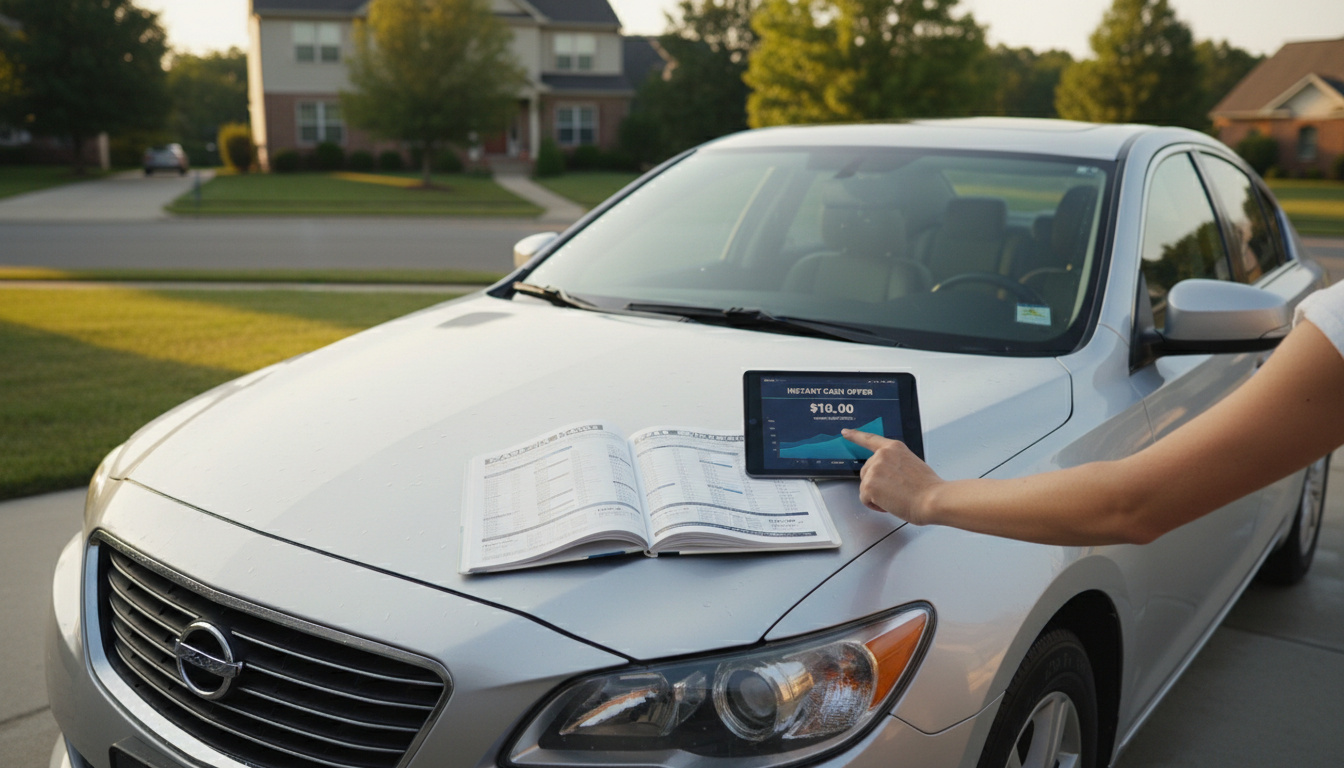
Kelley Blue Book stands as one of the most recognized names in automotive valuation, serving millions of consumers and industry professionals seeking standardized vehicle pricing data. Originally established as a printed guide for used car dealers, the platform has evolved into a comprehensive digital resource offering real-time market values, trade-in estimates, and instant cash offers. For nearly a century, KBB has functioned as an intermediary between retail buyers, sellers, and dealerships, attempting to standardize what has historically been an opaque pricing landscape.
The service operates primarily through KBB.com, where users input specific vehicle parameters to receive valuation ranges based on aggregate market data. Unlike simple classified listings, Kelley Blue Book synthesizes auction results, dealer transactions, and regional market variations to produce its signature “Blue Book” values. These figures appear in financing agreements, insurance settlements, and private party negotiations across the United States, cementing the brand’s role as a de facto pricing authority in the secondary automotive market.
Understanding how KBB generates its numbers—and the limitations of those calculations—requires examining both the historical methodology developed by its founders and the modern data infrastructure maintained by its current corporate parent. The transition from printed book to algorithmic pricing model reflects broader shifts in how Americans buy, sell, and finance vehicles.
What is Kelley Blue Book?
Kelley Blue Book functions as a vehicle valuation and automotive research company that provides market-reflective pricing data to consumers, dealers, manufacturers, finance firms, and government agencies. The platform generates trade-in values, private party values, and suggested retail prices based on weekly data analysis of actual market transactions.
- Origin as Dealership Tool: KBB began not as a consumer service, but as an internal pricing guide for the Kelley Kar Company, a Los Angeles used car dealership founded in 1918.
- Data-Driven Methodology: Values derive from wholesale auction data, dealer sales records, and regional market adjustments rather than theoretical depreciation curves.
- Free Consumer Access: All primary valuation tools on KBB.com remain free for individual users, including Instant Cash Offer generation.
- Corporate Integration: While maintaining brand independence, KBB operates within Cox Automotive’s ecosystem alongside Autotrader and Manheim auctions.
- Weekly Refresh Cycle: Pricing algorithms update weekly to reflect shifting market conditions, supply constraints, and seasonal demand fluctuations.
- Multi-Point Value Types: The platform distinguishes between trade-in values (wholesale), private party values (individual sales), and certified pre-owned retail prices.
| Attribute | Details |
|---|---|
| Official Name | Kelley Blue Book |
| Founded | 1926 (parent dealership established 1918) |
| Current Owner | Cox Automotive (Cox Enterprises subsidiary) |
| Primary Valuation Types | Trade-in, Private Party, Suggested Retail |
| Data Sources | Manheim auctions, dealer transactions, market monitoring |
| Update Frequency | Weekly |
| Key Tools | Price Advisor, Instant Cash Offer, Trade-In Values |
| Geographic Scope | United States (primary), limited international data |
How Do I Use Kelley Blue Book to Value My Car?
Accessing vehicle valuations requires navigating to KBB.com and entering specific parameters including year, make, model, mileage, condition grade, and ZIP code. The system processes these inputs against regional market data to generate three distinct price points: the expected trade-in value at a dealership, the anticipated private party sale price, and the certified pre-owned retail range.
What is Trade-In Value on KBB?
The trade-in value represents the wholesale price a consumer might reasonably expect when selling a vehicle to a licensed dealer. This figure typically falls below private party values because it accounts for the dealer’s reconditioning costs, warranty provisions, and profit margin. KBB’s Instant Cash Offer program allows users to generate a redeemable certificate valid at participating dealerships, converting the digital estimate into an immediate transaction.
Condition assessments significantly impact final figures. KBB categorizes vehicles as Fair, Good, Very Good, or Excellent based on mechanical soundness, cosmetic appearance, and maintenance history. Overestimating condition grades remains the most common source of price discrepancies between online estimates and actual dealer offers.
Private party values reflect the higher prices achievable when selling directly to another consumer, though this route requires handling title transfers, payment verification, and liability concerns without dealership intermediaries. The suggested retail price indicates what buyers might expect to pay at a franchised dealer for a certified pre-owned vehicle with warranty coverage.
How Accurate is Kelley Blue Book?
KBB positions itself as “The Trusted Resource” for unbiased vehicle valuation, relying on data aggregated from Manheim auctions, dealer sales records, and market monitoring systems. The company updates its pricing algorithms weekly to reflect current supply and demand conditions rather than relying solely on depreciation schedules.
Is KBB Reliable for Used Cars?
Industry participants—including manufacturers, insurance providers, and financial institutions—regularly reference KBB values for lease-end calculations, total loss settlements, and loan underwriting. However, no independent quantitative studies verifying specific accuracy percentages or error rates appear in available documentation. The platform’s reliability stems largely from its historical ubiquity and the volume of transactions informing its database rather than published precision metrics.
Regional disparities can create significant gaps between KBB estimates and local market realities. Rural markets may show lower demand for specific vehicle classes, while coastal cities might exhibit premium pricing for electric or hybrid models. The ZIP code input attempts to normalize these variations, but micro-market conditions often diverge from broader regional trends.
How Often Does KBB Update Car Values?
Pricing data refreshes on a weekly cycle, allowing the system to capture rapid market shifts such as fuel price volatility, supply chain disruptions, or manufacturer incentive changes. This frequency exceeds traditional printed guidebooks but may still lag behind real-time auction fluctuations observed in daily wholesale transactions.
Who Owns Kelley Blue Book?
Cox Automotive, a subsidiary of Atlanta-based Cox Enterprises, maintains full ownership of Kelley Blue Book. The acquisition occurred in 2010 when AutoTrader.com—then majority-owned by Cox Enterprises—purchased KBB, integrating the valuation service into what would become a comprehensive automotive technology portfolio.
History of Kelley Blue Book
Les Kelley established the Kelley Kar Company in 1918 with three Model T Fords, employing his brother Buster as a lot boy at the Los Angeles location. By 1926, the siblings published the first Blue Book, standardizing used car valuations through systematic data collection from regional dealerships. Company archives indicate the operation grew into the world’s largest used car dealership by the 1930s, located at Figueroa and Pico, with daily appraisal lines extending around the block.
The digital transition expanded KBB’s reach beyond dealership counters to consumer desktops and mobile devices. In 2014, Cox Enterprises consolidated over 20 automotive brands—including Autotrader, Manheim auctions, and KBB—under the newly formed Cox Automotive division. This structure allows data sharing between wholesale auction results (Manheim processes over $58 billion annually) and retail pricing algorithms, theoretically improving valuation accuracy through vertical integration.
How Did Kelley Blue Book Evolve Over Time?
- : Les Kelley founds Kelley Kar Company with three Model T Fords in Los Angeles.
- : First Blue Book published, establishing standardized used car valuation methodology.
- : Buster Kelley manages publishing operations; dealership becomes world’s largest used car operation at Figueroa and Pico.
- : AutoTrader.com acquires KBB, maintaining independent valuation operations while gaining digital infrastructure.
- : AutoTrader Group forms to oversee digital automotive assets.
- : Cox Automotive launches, consolidating KBB, Autotrader, Manheim, and 17 other brands under Cox Enterprises.
- : Autotrader rebrands with unified consumer-facing platform integrating KBB valuation tools.
What is Certain and Uncertain About KBB Data?
Established Information
- Weekly pricing updates occur every seven days
- Free consumer access to all primary valuation tools
- Ownership by Cox Automotive since 2010
- Data integration with Manheim wholesale auctions
- Instant Cash Offer program provides transaction-ready pricing
- Values reflect regional ZIP code variations
Information Gaps
- No published quantitative accuracy rates or error margins
- Lack of independent third-party reliability studies
- Unclear weighting of auction vs. retail transaction data
- Undisclosed algorithms for condition assessments
- Limited transparency regarding dealer vs. consumer data sources
- No verification of “67% of buyers use KBB/Autotrader” claim methodology
What is the Broader Meaning of Kelley Blue Book?
The term “Blue Book value” has transcended its corporate origins to become generic shorthand for used car pricing across American English, much like “Kleenex” for facial tissues or “Xerox” for photocopying. This linguistic adoption reflects the company’s success in establishing itself as a neutral arbiter between buyers and sellers who otherwise face information asymmetry.
Within the automotive ecosystem, KBB serves as a reference point for Pay Rego Online – 2025 Guide for All States and similar administrative processes where vehicle valuation affects registration fees or tax calculations. The platform’s integration with Cox Automotive’s wholesale auction data creates a closed loop where the same company facilitating wholesale transactions also provides the pricing benchmarks used in retail negotiations.
For consumers researching heavy equipment or commercial vehicles, similar valuation principles apply as outlined in resources like Excavator for Sale – Prices, Brands and Buying Guide, though KBB focuses primarily on passenger vehicles rather than industrial machinery.
What Do Industry Sources Say About KBB?
Kelley Blue Book is described as ‘The Trusted Resource’ for unbiased vehicle valuation, relied on by consumers, dealers, manufacturers, finance/insurance firms, and governments.
— KBB Media Room, Company Overview
Cox Automotive serves 40,000+ dealers across 90+ countries, handling vehicle lifecycle from wholesale to retail and ownership.
— Cox Automotive Corporate Fact Sheet, April 2018
What Should You Remember About Kelley Blue Book?
Kelley Blue Book provides free, weekly-updated vehicle valuations based on wholesale auction data and regional market conditions, operating under Cox Automotive ownership since 2010. While widely trusted by industry participants, users should approach estimates as starting points rather than guarantees, recognizing that actual transaction prices depend on specific vehicle condition, local demand, and negotiation dynamics. For those managing vehicle transactions alongside other registration tasks, resources like Pay Rego Online – 2025 Guide for All States offer complementary administrative guidance.
Common Questions About Kelley Blue Book
Is Kelley Blue Book free?
Yes. All primary consumer valuation tools on KBB.com remain free, including trade-in values, Price Advisor ranges, and Instant Cash Offer generation. No payment is required to access vehicle valuations.
How does KBB determine car values?
KBB aggregates data from Manheim wholesale auctions, dealer sales transactions, and regional market monitoring. Algorithms process this information weekly to generate market-reflective values adjusted by ZIP code, mileage, and condition grade.
Can I sell my car directly to Kelley Blue Book?
No. KBB does not purchase vehicles directly. However, the Instant Cash Offer program generates certificates redeemable at participating dealerships, effectively facilitating immediate sales through third-party dealers.
Why is my KBB trade-in value different from the dealer’s offer?
Discrepancies often stem from condition assessment differences, reconditioning costs, or local market saturation. KBB values represent regional averages, while individual dealers adjust for specific inventory needs and profit margins.
Does KBB value classic or antique cars?
Standard KBB tools focus on vehicles from the 1990s to present model years. Classic cars manufactured before 1990 typically require specialized valuation services outside KBB’s standard algorithmic pricing.
How does KBB compare to Edmunds?
Both offer free vehicle valuations, but KBB operates within the Cox Automotive ecosystem with direct access to Manheim auction data. Edmunds functions independently. Neither publishes comparative accuracy studies verifying superior precision.
Are KBB values legally binding?
No. KBB values represent market estimates, not legal appraisals. Courts, insurers, and lenders may reference them, but final valuations require professional inspection and documentation for legal purposes.
Related stories



Liam O'Brien covers Australian politics and public affairs for Australia Focus.