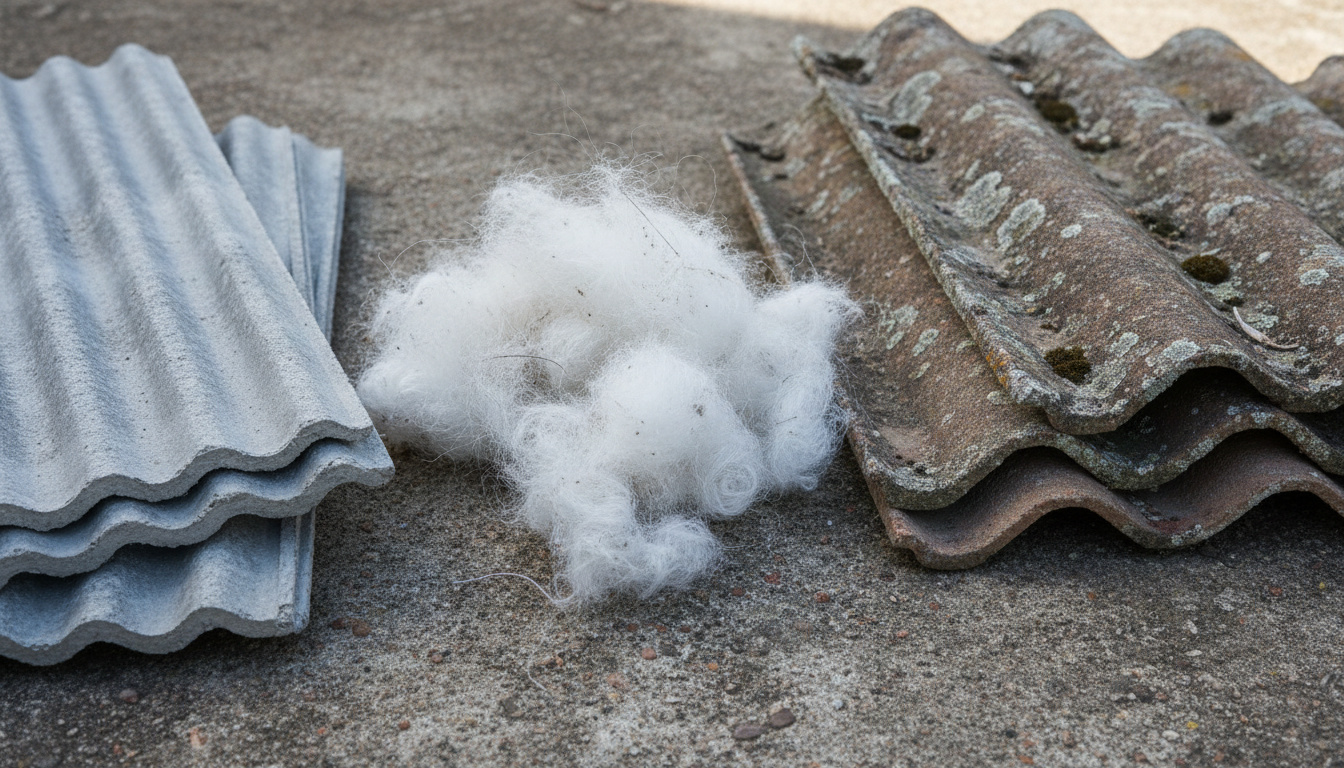
Asbestos encompasses a group of naturally occurring minerals composed of microscopic fibers. These fibers appear in various construction materials, including fluffy insulation, rigid cement sheets, textured coatings, and pipe wraps. Colors typically range from white and gray to brown, blue, or black, depending on the specific mineral type and binding matrix used in manufacturing.
Despite distinctive appearances in certain applications, individual asbestos fibers remain invisible without microscopic examination. Visual identification alone proves unreliable because numerous lookalike materials—such as fiberglass, vermiculite, and cellulose insulation—mimic asbestos textures and colors. Laboratory analysis remains the only definitive method for confirmation.
Understanding the visual characteristics of asbestos-containing materials helps property owners recognize potential hazards. However, disturbing suspected materials to verify composition releases dangerous fibers into the air, creating exposure risks linked to mesothelioma and asbestosis.
What Color and Texture Does Asbestos Have?
Chrysotile
Color: White or gray
Common Locations: Roofing, walls, thermal insulation
Visual Cue: Long, curly fibers resembling serpentine patterns
Amosite
Color: Brown
Common Locations: Insulating boards, ceiling tiles, pipe lagging
Visual Cue: Straight, needle-like amphibole fibers
Crocidolite
Color: Blue or dark green
Common Locations: Sprayed insulation, steam engine packing
Visual Cue: Short, sharp, rod-like fibers
Anthophyllite & Tremolite
Color: Yellowish-brown to dark green
Common Locations: Contaminated vermiculite, certain cements
Visual Cue: Dark, sharp needle formations
- Individual fibers require microscopic visualization; naked-eye identification is impossible.
- Loose-fill insulation typically presents as fluffy, cotton-like, or candyfloss-textured material.
- Solid asbestos cement appears grainy, chalky, or brittle with a rigid structure.
- Color varies significantly: white (chrysotile), brown (amosite), blue (crocidolite), gray (cement products).
- Buildings constructed before 1980 carry the highest probability of containing asbestos materials.
- Friable materials that crumble to dust pose greater immediate fiber release risks.
- Amphibole types (amosite, crocidolite) display stiff needle structures distinct from curly chrysotile.
| Material Form | Typical Appearance | Asbestos Content | Primary Fiber Type | Usage Period |
|---|---|---|---|---|
| Thermal Pipe Insulation | White, brown, gray fluffy wraps; soft, frayed layers | 6–85% | Chrysotile, Amosite, Crocidolite | 1880s–1970s |
| Sprayed Insulation | White, brown, gray soft, crumbly coatings | 55–85% | Chrysotile, Amosite, Crocidolite | Pre-1980 |
| Insulating Boards (AIB) | Light/dark gray, pink (rare); medium-soft panels | 15–25% | Amosite | 1880s–1980 |
| Cement Siding/Sheeting | Light/dark gray; hard, rigid, grainy | 10–25% | Chrysotile | Pre-1980s |
| Gaskets/Washers | Red, green, pink; medium density | ~90% | Chrysotile | Varies |
| Resin Products (Bakelite) | Black (mainly), various; hard like plastic | 1–10% | Chrysotile, Amosite | 1880s–1990s |
| Paper/Lining | White, light brown; delicate sheets | 100% | Chrysotile | Varies |
| Decorative Coatings (Artex) | White (mainly); grainy, plaster-like, popcorn texture | 3–5% | Chrysotile | Pre-1980s |
| Floor Tiles | Various colors; brittle, thin | Varies | Various | Pre-1980s |
What Does Asbestos Insulation Look Like?
Pipe and Boiler Wrap
High-risk thermal insulation appears as layered, frayed material wrapped around pipes, ducts, and boilers. The texture resembles dense cotton batting or papier-mâché, often displaying white, brown, or gray coloration. These materials contain 6% to 85% asbestos fibers and release particles easily when disturbed or damaged.
Sprayed Coatings and Popcorn Ceilings
Textured ceiling treatments and sprayed fireproofing materials contain 55% to 85% asbestos in loose, crumbly applications. Popcorn ceilings specifically feature a bumpy, stucco-like texture with white or gray coloration, typically containing 3% to 5% chrysotile asbestos.
Attic and Loose-Fill Insulation
Vermiculite attic insulation often contains tremolite asbestos contamination. The material appears as shiny, golden-brown or silver-gold pebbles, distinct from the fluffy white appearance of other asbestos insulation types. Product galleries display corrugated gray sheets and wrapped pipes with characteristic frayed edges.
Sprayed insulation and pipe lagging represent the most friable asbestos forms. Physical contact releases microscopic fibers immediately. Do not touch, brush, or vacuum these materials.
How Can You Visually Identify Asbestos in Common Materials?
Siding and Cement Sheeting
Corrugated cement sheets and exterior cladding appear as hard, rigid panels in light or dark gray. The surface texture is grainy and fibrous, unlike modern fiber cement products. These materials contain 10% to 25% chrysotile asbestos and were installed extensively before the 1980s.
Interior Floor and Ceiling Tiles
Vinyl asbestos floor tiles appear brittle and thin with various color patterns mimicking thermoplastic materials. Asbestos insulating boards present as light or dark gray panels with a medium-soft texture, used for fire protection and ceiling tiles.
Resin and Paper Products
Bakelite and resin-based products appear as hard black plastic chunks or components. Asbestos paper and lining materials appear white or light brown with a delicate, sheet-like structure containing 100% chrysotile fibers.
Property owners seeking additional visual references should consult specialized galleries showing What Does Asbestos Look Like in residential settings.
Key Differences Between Asbestos Types and Lookalikes
Serpentine vs. Amphibole Fiber Structures
Chrysotile fibers exhibit a serpentine structure—long, curly, and pliable. Amphibole types (amosite, crocidolite, tremolite) display straight, stiff, needle-like formations. Under microscopic examination, amphibole fibers resemble rods or needles, while chrysotile appears as rolled sheets. This structural difference affects how fibers behave in lung tissue, with amphiboles generally considered more hazardous due to their persistence and inhalation potential.
Common Confusion Materials
Fiberglass insulation mimics asbestos’s fluffy appearance but maintains a glossier surface and less dusty texture. Cellulose insulation consists of recycled paper fibers appearing gray and fibrous but lacking the layered structure of asbestos paper. Modern mineral wool appears similar to asbestos cement but lacks the distinct grainy brittleness.
Polarized light microscopy (PLM) or transmission electron microscopy (TEM) analysis of bulk samples provides the only definitive identification. Visual similarities between asbestos and non-hazardous materials make field identification impossible.
Construction dates provide the strongest visual clue. Materials installed between 1880 and 1980 in residential and commercial buildings require professional evaluation regardless of visual appearance.
When Was Asbestos Commonly Used in Building Materials?
- : Early industrial applications begin in steam engines and insulation products. — Oracle Asbestos
- : Widespread adoption in residential construction, including siding, floor tiles, and pipe insulation.
- : United States bans spray-applied surfacing asbestos materials (friable forms) under EPA regulations.
- : Most manufacturers phase out asbestos use; production of new asbestos-containing materials declines sharply.
- : Existing materials remain in place; pre-1980s buildings retain highest concentration of asbestos products.
What Can Visual Inspection Actually Determine?
| Reliable Visual Indicators | Unknown Without Lab Testing |
|---|---|
| Material age (pre-1980s increases probability) | Specific asbestos fiber type present |
| Texture classification (fluffy vs. rigid) | Exact percentage of asbestos content |
| Friability (tendency to crumble) | Distinction from lookalike materials |
| Product form (pipe wrap, siding, tiles) | Presence of microscopic airborne fibers |
| General color (white, brown, gray, blue) | Definitive hazard level assessment |
Why Accurate Identification Matters for Health and Safety
Inhalation of asbestos fibers causes malignant mesothelioma, lung cancer, and asbestosis—a progressive scarring of lung tissue. The World Health Organization classifies all forms of asbestos as carcinogenic, emphasizing that no safe level of exposure exists. Fibers lodge in lung tissue, causing inflammation and genetic damage that may manifest decades after initial exposure.
The Centers for Disease Control and Prevention links occupational and environmental asbestos exposure to respiratory diseases with latency periods of 20 to 50 years. Amphibole fiber types, with their stiff needle-like structure, remain in lung tissue longer than serpentine varieties, contributing to higher pathogenicity. Disturbing unidentified materials during renovation or repair activities creates immediate exposure risks for occupants and workers.
Regulatory agencies mandate specific abatement procedures for confirmed asbestos-containing materials. The Environmental Protection Agency requires notification before renovation or demolition activities involving asbestos. Professional identification prevents unnecessary exposure while ensuring compliance with the Occupational Safety and Health Administration’s permissible exposure limits of 0.1 fibers per cubic centimeter of air.
What Do Regulatory Agencies Say About Visual Identification?
Visual identification of asbestos fibers is impossible without microscopic analysis. Polarized light microscopy and transmission electron microscopy represent the only reliable methods for distinguishing asbestos from non-asbestos fibers.
— Compliance Training Online
All types of asbestos cause lung cancer, mesothelioma, cancer of the larynx and ovary, and asbestosis. Exposure to asbestos occurs through inhalation of fibers in air.
— Mesothelioma.com (summarizing WHO/CDC findings)
Additional guidance from the Restoration Industry emphasizes that professional sampling prevents the fiber release common in DIY testing attempts.
Key Takeaways on Asbestos Appearance
Asbestos-containing materials display diverse visual characteristics ranging from fluffy white insulation to rigid gray cement sheets. While chrysotile appears white and curly, amosite presents as brown needle-like fibers, and crocidolite exhibits blue coloring, these traits remain undetectable without laboratory equipment. Property owners should treat any suspect material in pre-1980s construction as potentially hazardous, avoiding disturbance and consulting certified inspectors. For comprehensive visual references, review detailed guides explaining What Does Asbestos Look Like before initiating any building modifications.
Frequently Asked Questions
Is asbestos fluffy?
Loose-fill asbestos insulation appears fluffy, cotton-like, or resembling candyfloss, particularly around pipes and in attics. However, solid asbestos materials like cement sheets are hard and rigid, not fluffy.
What color is asbestos?
Chrysotile asbestos is typically white or gray, amosite is brown, and crocidolite is blue. However, asbestos-containing materials often appear gray (cement) or white (insulation) regardless of fiber type.
Does asbestos look like dust?
Damaged asbestos materials release fibers that appear dusty, but intact asbestos does not look like household dust. The fibers are microscopic, making the dust indistinguishable from other particulates without analysis.
Is vermiculite insulation asbestos?
Vermiculite itself is a mineral, but deposits from the Libby, Montana mine often contain tremolite asbestos contamination. The material appears as shiny, golden-brown or silver-gold pebbles rather than fluffy fibers.
Does asbestos look like cotton?
Yes, loose asbestos insulation resembles cotton batting or papier-mâché with a fibrous, layered texture. However, cotton dust lacks the mineral composition and microscopic fiber structure of asbestos.
What does chrysotile asbestos look like?
Under magnification, chrysotile appears as long, curly white fibers. In building materials, it typically presents as white or gray fluffy insulation, or integrated into gray cement products.
How can you tell if something is asbestos?
You cannot tell definitively by appearance alone. Laboratory testing using polarized light microscopy or transmission electron microscopy is required. Suspect materials in buildings constructed before 1980 should be treated as asbestos until proven otherwise.
Related stories



Liam O'Brien covers Australian politics and public affairs for Australia Focus.