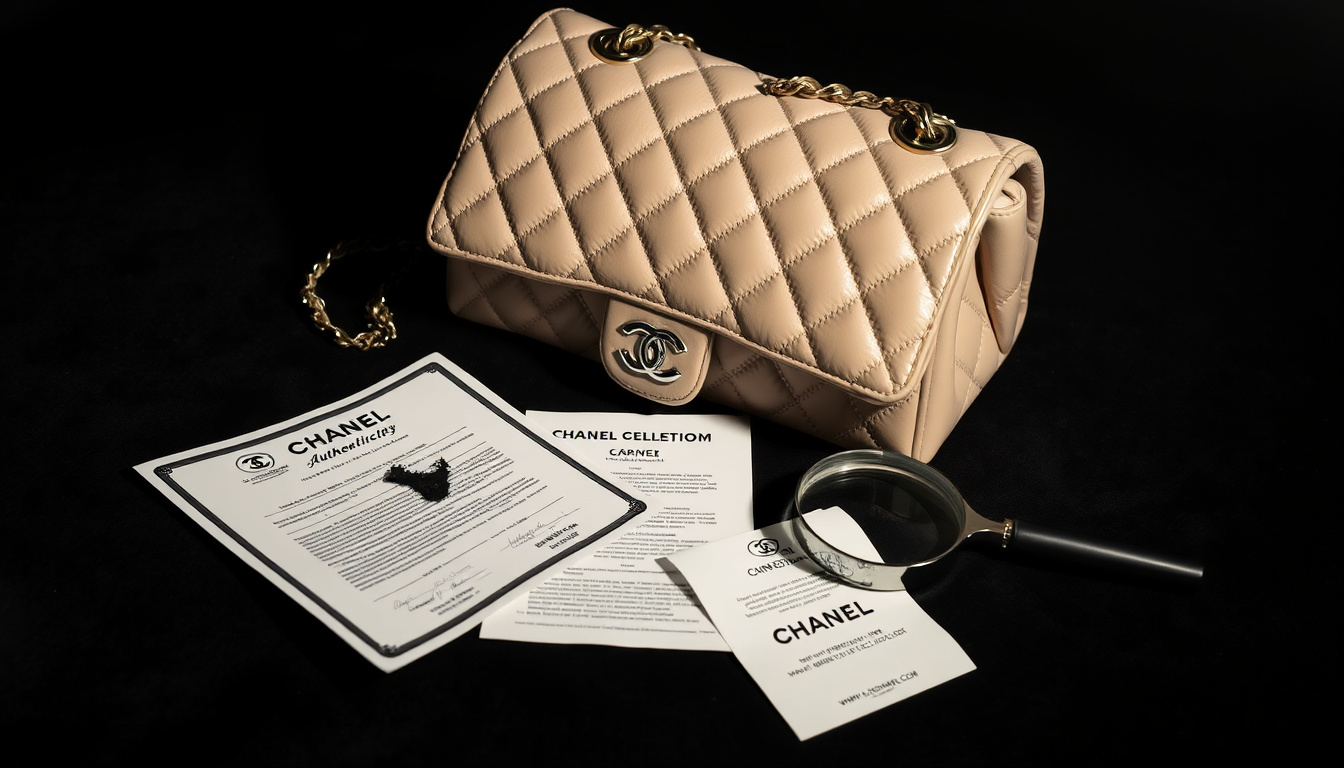

The RealReal promises authenticated luxury at secondhand prices—but its authentication process is now at the center of a $4 million lawsuit against a rival reseller, with Chanel arguing the entire resale authenticity model may be legally indefensible. If you’ve ever hesitated before dropping $3,000 on a pre-owned Chanel bag, you’re not alone.
Members: 38 million · Instagram Followers: 821K · Facebook Likes: 410K · Physical Stores: Multiple US locations · Top Counterfeited Brand Mentioned: Louis Vuitton
Quick snapshot
- 38 million members (Wikipedia)
- Chanel lawsuit filed November 14, 2018 (The Fashion Law)
- Authentication process claimed (The RealReal)
- Prevalence of fakes on platform
- UK full operations status
- Return fee lawsuit outcome
- 2018: Chanel files suit · : WGACA verdict · Ongoing legal battles
- Watch for settlement or continued litigation
- UK expansion remains unconfirmed
The RealReal operates as an authenticated luxury consignment marketplace, founded in 2011, connecting sellers of designer pieces with buyers seeking authentic luxury goods below retail price. The platform claims 38 million members and maintains active social media presence with 821,000 Instagram followers and 410,000 Facebook likes.
| Label | Value |
|---|---|
| Founded | 2011 (via Wikipedia) |
| Business Model | Authenticated consignment |
| Major Lawsuit | Chanel trademark case |
| User Base | 38 million members |
| Social Reach | 821K Instagram followers |
What is The RealReal controversy?
The RealReal has faced legal challenges on two fronts. Chanel sued over trademark infringement and authenticity claims, while customers filed a separate lawsuit over return fees. Both cases have drawn attention to the challenges of maintaining trust in the luxury resale market.
Return fees lawsuit
Customers have challenged The RealReal’s return policies, with some alleging unfair fee structures when items are returned. The legal dispute highlights the tension between platform policies and buyer expectations in high-value transactions.
Authentication concerns
The core promise of The RealReal is authentication—every item sold supposedly passes expert review before reaching buyers. Critics argue this process remains opaque, and some buyers report receiving items later deemed inauthentic by brands or third-party appraisers.
Chanel argues no external entity can guarantee authenticity of its products—a position that directly challenges The RealReal’s core business model.
Is The RealReal real luxury stuff?
The question of authenticity lies at the heart of The RealReal’s value proposition—and its legal troubles. The platform’s entire model depends on buyers trusting its authentication expertise.
Authentication process
The RealReal states it authenticates every item sold on its platform. The company invokes the First Sale Doctrine to defend against counterfeiting claims, arguing it can legally resell genuine luxury goods once purchased. This legal defense cites Tiffany v. eBay, a landmark case establishing platforms aren’t automatically liable for user counterfeits without specific knowledge.
Fake items reports
Despite these assurances, Chanel claimed The RealReal sold at least seven possibly counterfeit bags. Reddit users share mixed experiences—some report gently used items in excellent condition, while others describe receiving items with undisclosed damage or authentication concerns.
Even goods manufactured by a brand but failing its quality control standards are not considered genuine under Chanel’s definition.
Why is Chanel suing The RealReal?
Chanel filed a lawsuit against The RealReal on November 14, 2018, in the U.S. District Court for the Southern District of New York, alleging trademark infringement, counterfeiting, false advertising, unfair competition, and selling counterfeit Chanel products. Chanel filed its First Amended Complaint on February 1, 2019, refining these claims.
Lawsuit details
Chanel alleged The RealReal sold at least seven possibly counterfeit bags, marking items with invalid serial numbers and misrepresenting their authenticity. The case drew parallels to Chanel’s simultaneous lawsuit against WGACA (What Goes Around Comes Around), another luxury reseller, filed March 15, 2018.
Counterclaims dismissal
The RealReal countered that Chanel’s lawsuit was a targeted campaign to prevent competitors in the resale market, not a good faith effort against counterfeiting. The company argued this positioning violated antitrust principles. The outcome of this countersuit remains under legal proceedings.
What this means: Chanel has now demonstrated willingness to pursue resale platforms aggressively—the $4 million verdict against WGACA in February 2024 shows the brand means business.
Is The RealReal available in the UK?
The RealReal currently operates exclusively within the United States. The platform has not launched full UK operations, though British luxury resale seekers have alternatives.
UK shipping and presence
International buyers may find limited access to The RealReal’s inventory, but US shipping requirements and potential customs complications make the platform impractical for most UK-based luxury resale shoppers.
Best luxury resale sites
UK consumers seeking authenticated luxury resale have several alternatives: Vestiaire Collective maintains strong European presence, Farfetch connects buyers with boutiques worldwide, and HERO offers curated luxury resale. Each platform operates under different authentication standards and return policies.
Where are The RealReal store locations?
The RealReal maintains physical retail presence across multiple US cities, allowing customers to inspect and purchase items in person before buying.
Store finder
The platform’s website and mobile app include store locator features, listing addresses and hours for physical locations. In-store shopping offers advantages for luxury purchases—the ability to examine hardware, materials, and provenance documentation directly before committing.
Near me options
Buyers near The RealReal locations can avoid shipping fees and return hassles by shopping in-store. The app allows checking local inventory before visiting, though authentication and condition assessments apply regardless of purchase channel.
Upsides
- 38 million member base demonstrates scale and demand
- Expert authentication claimed for every item
- Physical store options in US for hands-on inspection
- Clearance and app sales expand access to discounted luxury
Downsides
- Chanel lawsuit raises authenticity questions
- Return fees lawsuit adds consumer protection concerns
- UK unavailable—limits international access
- Authentication process criticized as opaque
Timeline
The following table summarizes key legal milestones in Chanel’s enforcement actions against luxury resellers.
| Date | Event |
|---|---|
| 2011 | The RealReal founded as luxury consignment site |
| 2015 | Chanel cease-and-desist to WGACA |
| Chanel sues WGACA over counterfeit goods | |
| Chanel sues The RealReal over trademarks | |
| Chanel files First Amended Complaint against The RealReal | |
| Summary judgment in WGACA case | |
| WGACA jury verdict: $4 million for Chanel | |
| WGACA trial begins | |
| WGACA final judgment entered |
Chanel’s $4 million victory against WGACA sends a clear message: resale authentication guarantees don’t shield platforms from trademark liability if items fail brand quality standards.
Confirmed facts vs. rumors
Five verified facts anchor this story, while several claims remain disputed or unconfirmed.
Confirmed
- 38 million members (Wikipedia)
- Chanel lawsuit filed (The Fashion Law)
- Authentication process claimed (The RealReal)
- WGACA $4 million verdict (Katten)
- 13 counterfeit items proven in WGACA case (IPWatchdog)
Unclear or disputed
- Prevalence of fakes on The RealReal platform
- Final outcome of Chanel v. The RealReal case
- UK expansion timeline or plans
- Return fee lawsuit settlement terms
What people are saying
“Hard times arouse an instinctive desire for authenticity,” Coco Chanel once said.
Coco Chanel, Founder of Chanel
Chanel’s actions are not a good faith effort to police counterfeiting but rather a targeted campaign to prevent certain competitors from operating in this specialized market.
The RealReal, Defendant
WGACA CHANEL – 100% Authenticity Guaranteed.
WGACA, Reseller marketing
The WGACA verdict shows how easily resale authenticity claims become trademark liability—the difference between “authentic” and “genuine” in Chanel’s legal framework has real financial consequences.
Related reading: Giorgio Armani Sì perfume · Suzanne Grae stores
uclawreview.org, iclg.com, youtube.com, thefashionlaw.com, ibtimes.co.uk, forum.purseblog.com, sports-entertainment.brooklaw.edu, law.justia.com
Frequently asked questions
What is the RealReal app?
The RealReal offers iOS and Android apps allowing users to browse, buy, and sell authenticated luxury items. The app includes store locators, real-time notifications, and seller tools for consignment submission.
How does The RealReal authentication work?
The platform claims every item passes expert review before listing. Authentication specialists examine materials, hardware, serial numbers, and provenance documentation. However, Chanel argues no external entity can guarantee authenticity of its products.
What are The RealReal reviews like?
User reviews are mixed. Some buyers report excellent condition items and successful purchases, while others share authentication concerns or condition discrepancies. The Chanel lawsuit has influenced buyer perceptions significantly.
Does The RealReal have clearance sales?
Yes, the platform runs dedicated clearance sections with discounted pricing on authenticated luxury items. The app and website feature promotional periods and outlet pricing.
What is the most counterfeited luxury brand?
Louis Vuitton frequently ranks among the most counterfeited luxury brands globally. Chanel, Gucci, and Hermès also face significant counterfeit challenges, driving legal action against resellers.
Who competes with fast fashion like Shein in resale?
Luxury resale platforms like The RealReal compete differently than fast fashion—they target buyers seeking authenticated designer pieces, not disposable trends. Competitors include Vestiaire Collective, Farfetch, and HERO.

Andrew Ellis leads fact-checking, source verification and corrections at Australia Focus.