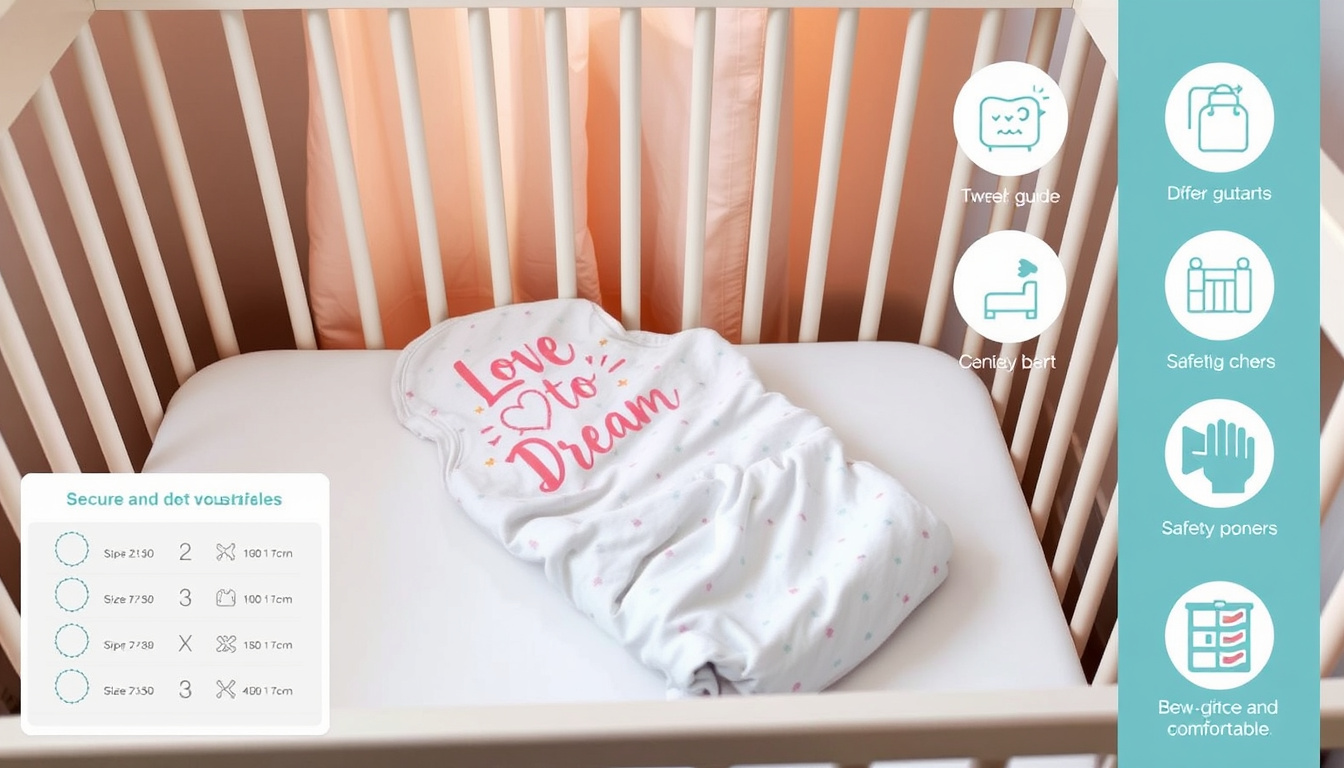
The Love to Dream Swaddle Up represents a distinct approach to newborn swaddling, featuring an arms-up design that allows babies to self-soothe while containing the Moro reflex through a snug fit around the arms, chest, and waist. This product guide examines the sizing, safety features, usage instructions, and transition strategies based on official manufacturer information and safety guidelines.
Selecting the right swaddle involves understanding weight-based sizing, proper hip positioning, and recognizing when to transition to a sleep sack. Parents navigating newborn sleep often encounter conflicting information about swaddling safety, making it essential to ground decisions in evidence-based practices and manufacturer specifications.
How Do You Use a Love to Dream Swaddle?
The Love to Dream Swaddle Up functions differently from traditional swaddles that bind a baby’s arms downward. The arms-up position allows infants to assume a more natural fetal posture during sleep, supporting self-soothing behaviors from birth until they show signs of rolling over.
Step-by-Step Usage Instructions
Proper application involves three core steps. First, lay the baby on the swaddle with arms positioned upward in their natural sleeping position. Second, wrap the wings snugly around the arms, chest, and waist to replicate the womb environment and calm the startle reflex, ensuring the fit remains snug without becoming restrictive. Third, zip from the bottom upward for a secure fit and verify that the neck opening fits closely without riding up over the baby’s mouth. Video demonstrations from the manufacturer emphasize that weight-based sizing produces the optimal snug fit around the arms and chest.
The neck opening should allow one to two fingers to slip beneath but should not be large enough to pass over the baby’s mouth. This prevents the swaddle from shifting during sleep while maintaining safe breathing access.
Arms-Up Design Rationale
The arms-up configuration serves multiple developmental purposes. By keeping hands free near the face, babies can engage in self-soothing behaviors such as touching their face or sucking on fingers without fully waking. This design also accommodates the natural upright positioning that aids digestion in babies with reflux symptoms, positioning the torso at an angle that supports comfortable breathing during sleep.
Overview
Allows natural fetal position and self-soothing
Newborn to Large for babies 5–24 lbs (2.2–11 kg)
Breathable cotton with zip closure
Hip-healthy design aligned with IHDI guidelines
Key Insights
- Weight-based sizing prioritizes proper fit over chronological age
- The snug upper fit prevents loose fabric that could pose suffocation risks
- Promotes back sleeping as the recommended safe sleep position
- Transition options exist for each developmental stage from birth through toddlerhood
- TOG rating of approximately 1.0 allows for appropriate seasonal layering
- Machine washable for standard care and maintenance
- Different models available including Original, Organic, and Bamboo fabric options
Size and Weight Specifications
| Size | Weight Range | Maximum Height | Recommended For |
|---|---|---|---|
| Tiny (Pre-Newborn) | 4.4 lbs (2 kg) | 20″ (50 cm) | Premature or very small newborns |
| NB (Newborn) | 5–8.5 lbs (2.2–3.8 kg) | 24″ (60 cm) | Average newborn infants |
| S (Small) | 8–13 lbs (3.5–6 kg) | 25″ (62 cm) | Growing infants, first weeks |
| M (Medium) | 13–19 lbs (6–8.5 kg) | 27″ (68 cm) | Older infants, pre-transition |
| L (Large) | 19–24 lbs (8.5–11 kg) | 30″ (76 cm) | Larger infants approaching rolling |
Love to Dream Swaddle Size Guide: What Size Do I Need?
Choosing the correct Love to Dream Swaddle size depends primarily on your baby’s weight rather than age. This approach ensures the snug, secure fit necessary for containing the Moro reflex while allowing safe movement and breathing room. Parents researching the best approach to newborn sleep products often find that weight-based sizing provides more reliable results than age-based estimates.
Understanding Size Chart Measurements
The manufacturer’s size chart provides weight ranges and maximum height limits for each size option. The Newborn size accommodates infants from 5 to 8.5 pounds, while the Small size fits babies from 8 to 13 pounds. Medium sizes serve infants between 13 and 19 pounds, and Large sizes accommodate babies from 19 to 24 pounds. An additional tiny size exists for premature or very small newborns weighing approximately 4.4 pounds at heights around 20 inches.
Does the Love to Dream Swaddle Run Small or Large?
Based on manufacturer guidance and parent feedback, the Love to Dream Swaddle tends to fit true to size when parents select according to weight. Some families report needing to size up if their baby has a longer torso or broader shoulders within a weight range. Weighing the baby before purchase provides the most reliable sizing decision, as babies develop at different rates regardless of chronological age.
If your baby falls between two sizes, consider whether they are at the higher or lower end of the current size’s weight range and their expected growth trajectory. A properly fitting swaddle should allow the neck opening to rest at chest level without riding up toward the mouth.
Age Guidelines by Size
While the manufacturer recommends weight-based selection, general age correlations exist for reference. Newborn sizes typically suit babies in their first few weeks. Small sizes work for infants through the first two to three months. Medium sizes accommodate babies from approximately three to five months, depending on growth rate. Large sizes fit older infants approaching the six-month milestone when rolling typically begins.
Is the Love to Dream Swaddle Safe for Babies?
The Love to Dream Swaddle incorporates several safety features designed to address common concerns around newborn sleep products. Understanding these features helps parents make informed decisions aligned with safe sleep recommendations.
Hip Health Considerations
The design aligns with healthy hip guidelines established by the International Hip Dysplasia Institute. Unlike traditional swaddles that wrap legs into an extended position, the Love to Dream Swaddle avoids tight leg binding and provides room for natural hip movement. This approach prevents the forced hip extension that can contribute to developmental dysplasia when consistently applied during sleep.
Is the Arms-Up Position Safe?
Medical guidance supports babies sleeping on their backs with arms free to move. The American Academy of Pediatrics recommends back sleeping as the safest position for infants, and products that allow arm movement while maintaining a secure torso fit support this recommendation. The arms-up design specifically allows babies to self-soothe by bringing hands toward their face without requiring complete arm removal from the swaddle.
Stop using the swaddle immediately when your baby begins showing signs of rolling over. Rolling while swaddled with arms contained can create unsafe situations. Transition products that allow one or both arms to remain free become necessary at this developmental stage.
Reflux and Digestive Benefits
The upright positioning supported by the arms-up design may aid digestion in babies with reflux symptoms. By maintaining the torso at an angle that prevents complete flat positioning, the swaddle allows gravity to assist the digestive process during sleep. This benefit requires further individual consideration and consultation with pediatric healthcare providers for babies with diagnosed reflux conditions.
Fire Safety and TOG Ratings
The Love to Dream Swaddle carries a TOG rating of approximately 1.0 for the Original, Organic, and Bamboo fabric options. This rating indicates the thermal resistance of the garment and helps parents determine appropriate layering for different room temperatures. Parents should consult the manufacturer’s temperature guide to ensure safe layering practices that prevent overheating while maintaining adequate warmth.
When to Stop Using Love to Dream Swaddle and Transition
Recognizing when to stop swaddling and what to use next represents one of the most important safety decisions for parents using this product. The transition timeline follows developmental milestones rather than fixed ages.
Signs It’s Time to Stop Swaddling
The first attempts to roll over signal that swaddling should stop. Once a baby can roll from back to front or front to back while swaddled, the contained arm position creates a rollover hazard. Parents should begin transition preparations immediately upon noticing any rolling attempts, even if those attempts are not yet successful.
Transition Timeline and Stages
Stage 1 (Swaddle Up) serves infants from birth until rolling begins. Stage 2 (Transition Bag or Suit) accommodates babies from 13 to 32 pounds at heights of 27 to 33 inches. This stage begins with wings attached on both sides, then removes one wing at a time over several nights of settling. Stage 3 (Sleep Suit or Bag) suits infants six months and older at heights from 84 to 115 centimeters, allowing complete arm freedom.
Comparing Transition Approaches
Parent feedback indicates that transitioning from the Love to Dream Swaddle tends to be smoother compared to abrupt stops with rigid traditional swaddles. The product’s graduated transition options allow incremental adjustment rather than requiring immediate full arm freedom. Some babies settle more quickly when one arm is freed initially, while others adapt readily to the Stage 2 design with both wings initially present.
Love to Dream Swaddle Reviews and Comparisons
Understanding how the Love to Dream Swaddle compares to alternatives helps parents evaluating sleep solutions for their newborns.
Versus Traditional Swaddles
Traditional swaddles typically force a baby’s arms downward against their body, restricting the self-soothing movements that the arms-up design permits. Parents report that traditional methods often require complete unwrapping for feeding, while the Love to Dream design allows for easier access through the bottom zipper. The transition from traditional swaddles frequently involves more disruptive sleep changes compared to the graduated Love to Dream approach.
Versus Halo Swaddle
Both the Love to Dream and Halo swaddles function as wearable sleep solutions, but their designs differ meaningfully. The Halo swaddle uses a wing design that can be configured for arms-down or arms-up positioning, while the Love to Dream maintains the arms-up position as its primary design. The Love to Dream configuration specifically supports natural reflux and hip positioning without requiring parent re-swaddling between sleep periods.
General Parent Feedback Themes
Parent reviews frequently highlight the ease of use compared to wrapping traditional blankets. The zip closure provides secure fitting without concern for fabric coming loose during sleep. Many families appreciate that the design supports self-soothing without complete arm removal, allowing babies to develop independent sleep skills while remaining safely swaddled.
Established Facts Versus Areas Requiring Individual Judgment
Certain aspects of swaddle selection and use are well-established through manufacturer guidance and safety research, while others require parental discretion based on individual baby characteristics.
What Is Clearly Established
- Weight-based sizing produces optimal fit according to manufacturer specifications
- Back sleeping remains the recommended safe sleep position
- Rolling signs require immediate transition away from full swaddling
- The design aligns with IHDI hip health guidelines
- TOG ratings of approximately 1.0 apply to Original, Organic, and Bamboo models
- Machine washing is supported for standard care
What Requires Individual Assessment
- Whether a baby between two sizes needs to size up or down depends on individual build and growth patterns
- Reflux benefits vary by individual baby and may require medical consultation
- Optimal transition timing depends on individual developmental progress
- Layering decisions for specific room temperatures require ongoing adjustment
- Fabric preference between Original, Organic, and Bamboo options involves personal factors
Understanding the Arms-Up Swaddle Approach
The arms-up swaddle concept emerged from research into infant sleep patterns and self-soothing development. By allowing babies to maintain hands near their face, the design supports the natural behaviors babies develop for self-regulation during sleep. This approach recognizes that complete arm immobilization may interfere with important developmental milestones while still providing the secure feeling that swaddling offers.
The broader swaddle market has increasingly adopted variations of the arms-up concept following parent demand for options that balance safety with developmental support. The Love to Dream Swaddle represents one of the earlier commercial implementations of this design philosophy, with subsequent products from other manufacturers adopting similar approaches.
Sources and Guidelines Referenced
Safety and design recommendations for the Love to Dream Swaddle draw from multiple authoritative sources. The International Hip Dysplasia Institute provides guidelines on infant hip positioning during sleep that informed the product’s construction. Safe sleep recommendations align with guidance from the American Academy of Pediatrics regarding back sleeping and arm freedom. The manufacturer provides sizing charts and transition guidance based on developmental research and parent feedback patterns.
Summary
The Love to Dream Swaddle offers an arms-up design that supports infant self-soothing while maintaining safe sleep practices. Weight-based sizing ensures proper fit from the newborn stage through approximately six months or until rolling begins. Safety features address hip health, reflux support, and suffocation prevention through snug upper fitting and appropriate TOG ratings. Transition options provide graduated steps away from full swaddling as babies develop, with Stage 2 and Stage 3 products supporting each developmental phase. Parents seeking a comprehensive approach to newborn swaddling may benefit from understanding these options alongside their own preferences and their baby’s individual characteristics. For additional guidance on early childhood development topics, explore resources on early childhood education.
Frequently Asked Questions
Are Love to Dream swaddles machine washable?
Yes, Love to Dream swaddles are machine washable using standard care settings. Parents should follow the care label instructions and avoid high-temperature washing that could damage the fabric or affect the TOG rating.
What do parent reviews say about the Love to Dream Swaddle?
Parent feedback generally highlights the ease of use compared to traditional blanket wrapping, the secure zip closure, and support for self-soothing behaviors. Comparisons with other brands often note smoother transitions and better reflux positioning.
Can babies sleep with their arms up in a swaddle?
Yes, sleeping with arms up is considered safe when using products specifically designed for this position. The arms-up configuration supports self-soothing and aligns with recommendations that allow babies to bring hands toward their face during sleep.
How long can a baby use the Love to Dream Swaddle?
Babies can use the Love to Dream Swaddle from birth until they show signs of rolling over, typically around four to six months. Sizing progresses from Newborn through Large as the baby grows, with transition products available for the next developmental stage.
Is Love to Dream good for babies with reflux?
The arms-up design may benefit babies with reflux by supporting an upright torso position that aids digestion. However, parents of babies with diagnosed reflux conditions should consult their healthcare provider for personalized recommendations.
Does the Love to Dream Swaddle run small?
The swaddle generally fits true to size according to weight guidelines. Some babies with broader shoulders or longer torsos may need sizing up within their weight range. Weighing the baby before purchase provides the most reliable sizing method.
When should you stop swaddling with Love to Dream?
Stop swaddling when your baby begins showing signs of rolling over, even if the rolls are not yet successful. Transition immediately to a Stage 2 transition product that allows one or both arms to remain free during sleep.
How do you transition from the Love to Dream Swaddle?
Transition using Stage 2 Transition products, beginning with wings attached on both sides. After several nights of settling, remove one wing at a time until the baby is comfortable with both arms free. Progress to Stage 3 Sleep Suit or Bag when developmentally appropriate.

Jessica Cooper covers culture, lifestyle and society across Australia for Australia Focus.